
Noses without Borders is a multi-sited ethnographic study of how dogs become living technologies and social agents within global humanitarian regimes. The project investigates the biological, technical, and institutional trajectories through which detection dogs are bred, trained, circulated, and eventually retired. In a world increasingly contaminated by war explosives, dogs have become crucial humanitarian partners, helping locate devices and accelerate land clearance. At the same time, advances in the so-called wars on terror and on drugs have intensified demand for detection dogs for military and police activities. Across these security assemblages, the Belgian Shepherd Malinois occupies a prominent place.
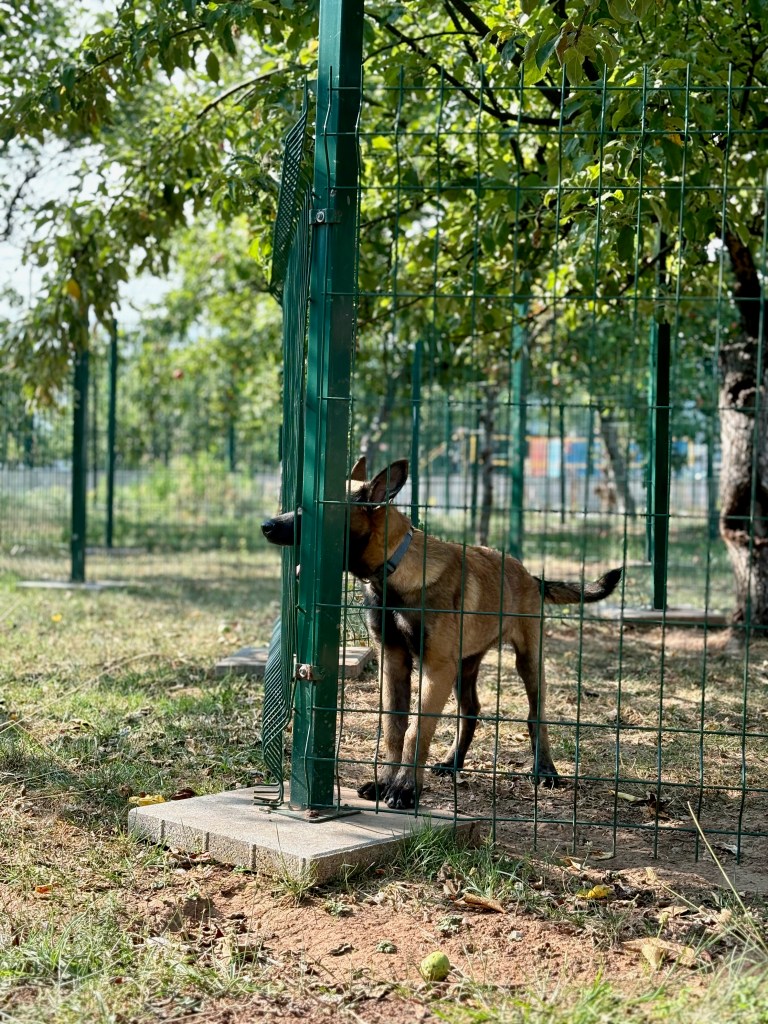
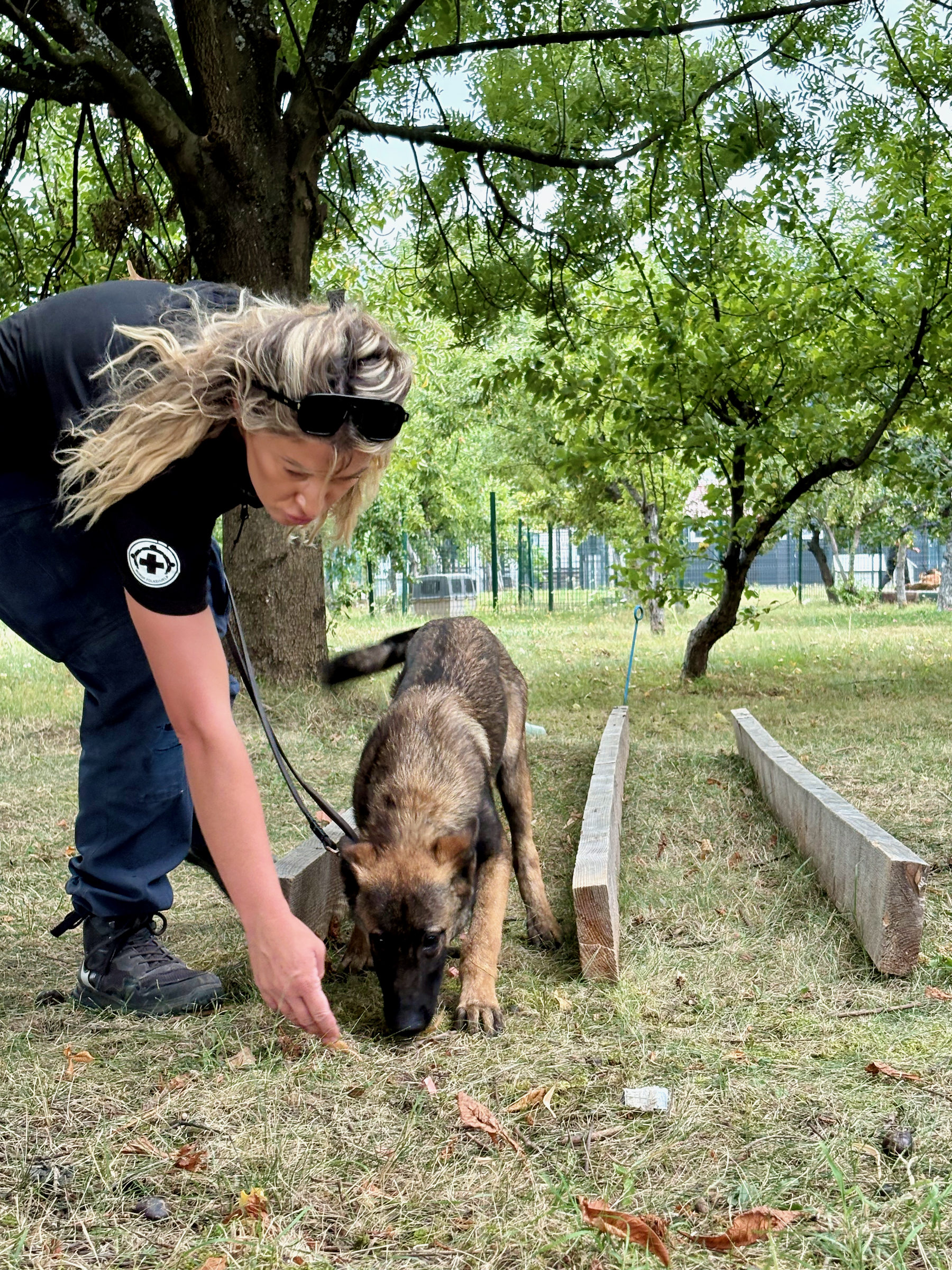
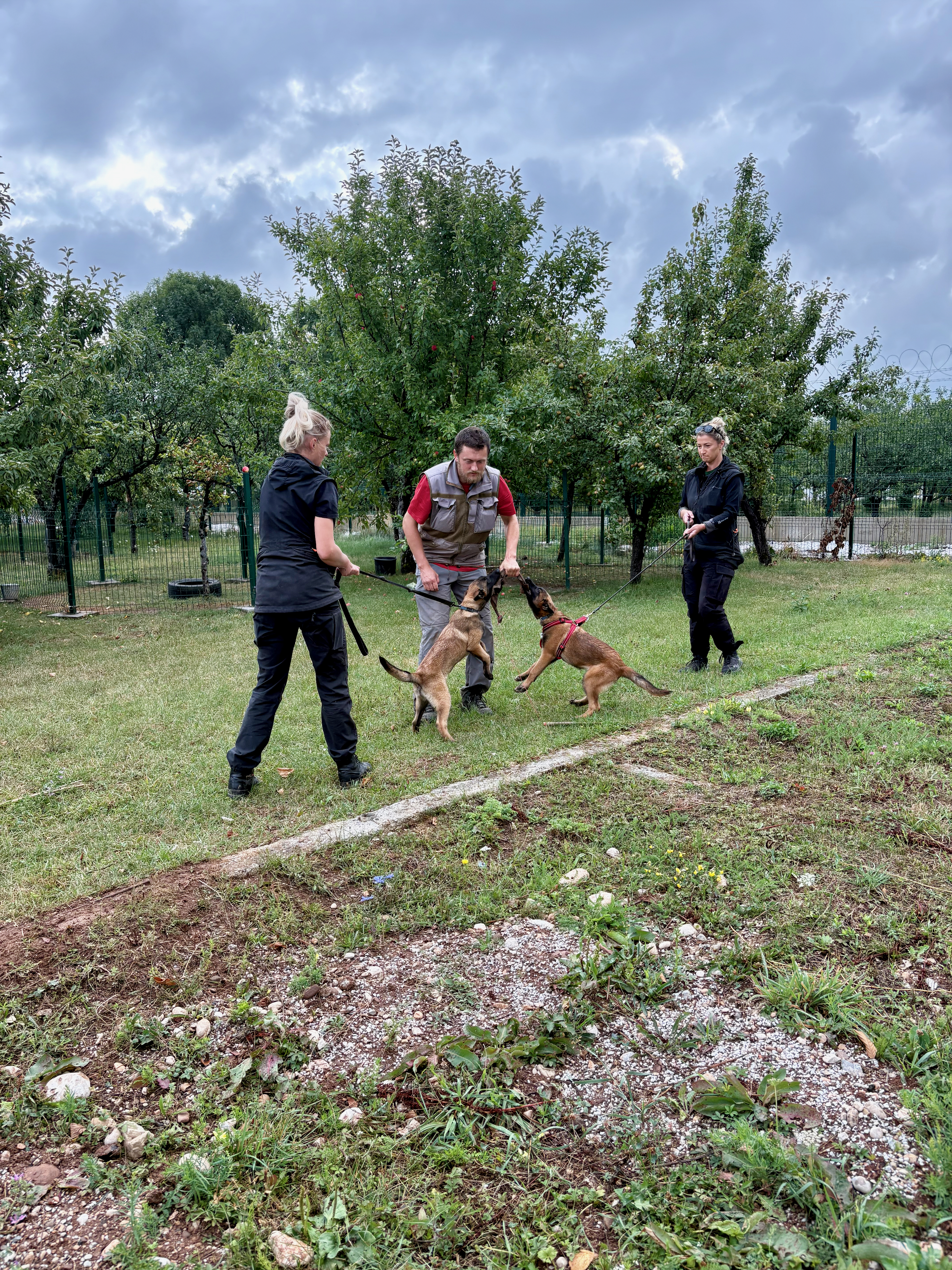
Noses without Borders follows the mine detection Malinois’ trajectories from kennels and training grounds in Bosnia and Herzegovina to minefields and demining operations in Cambodia and Colombia, and to retirement homes in Norway and the U.S. It involves ethnographic research with veterinarians, breeders, trainers, and demining personnel in various countries. Moving across these sites, stages of humanitarian work, and forms of expertise, I examine the making and remaking of dogs’ bodies, capacities, value, and status.

Check my research project on Fields of Suspicion

