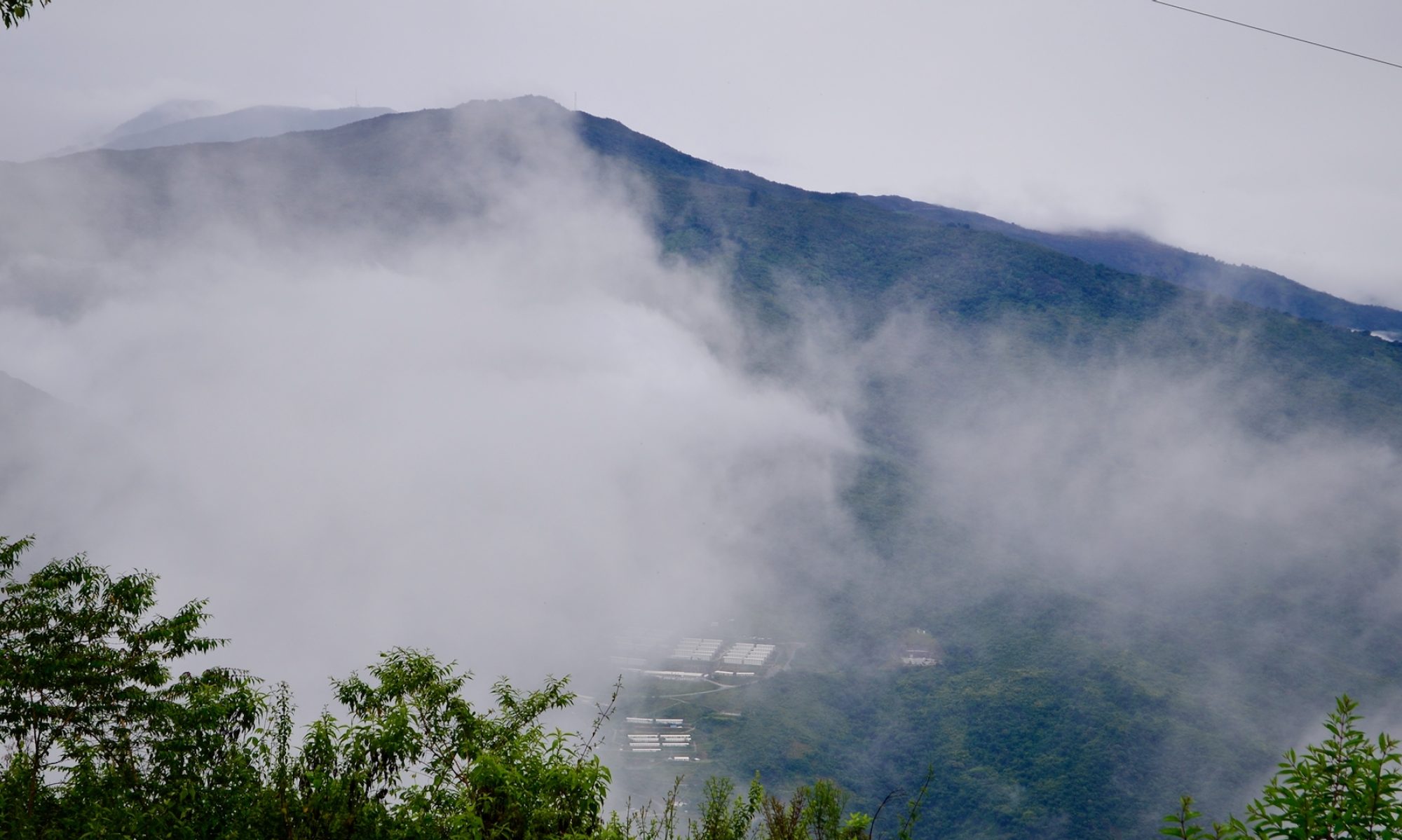
My current and future research examines how armed conflict, humanitarian aid, and peacebuilding reshape landscapes, political relations, and everyday life, and how human and nonhuman communities participate in these transformations.
Fields of Suspicion
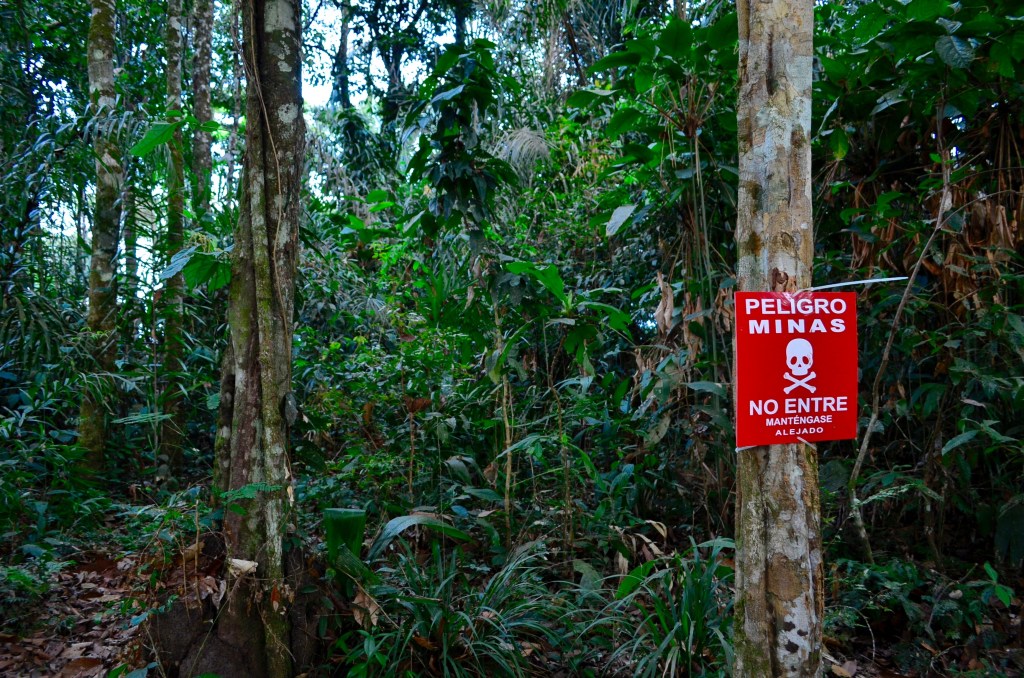
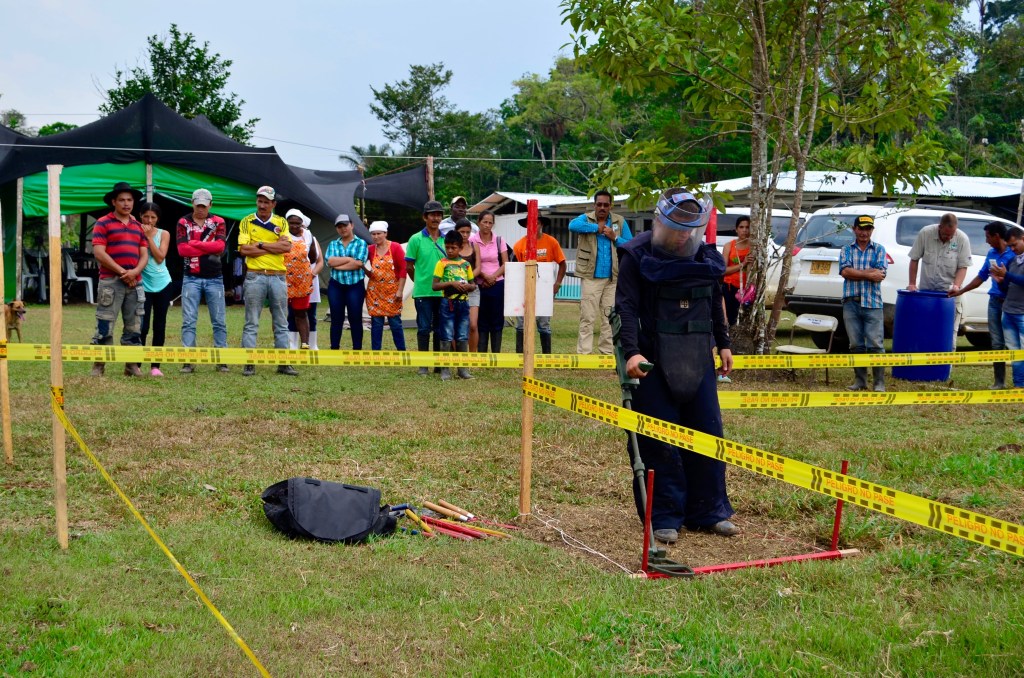
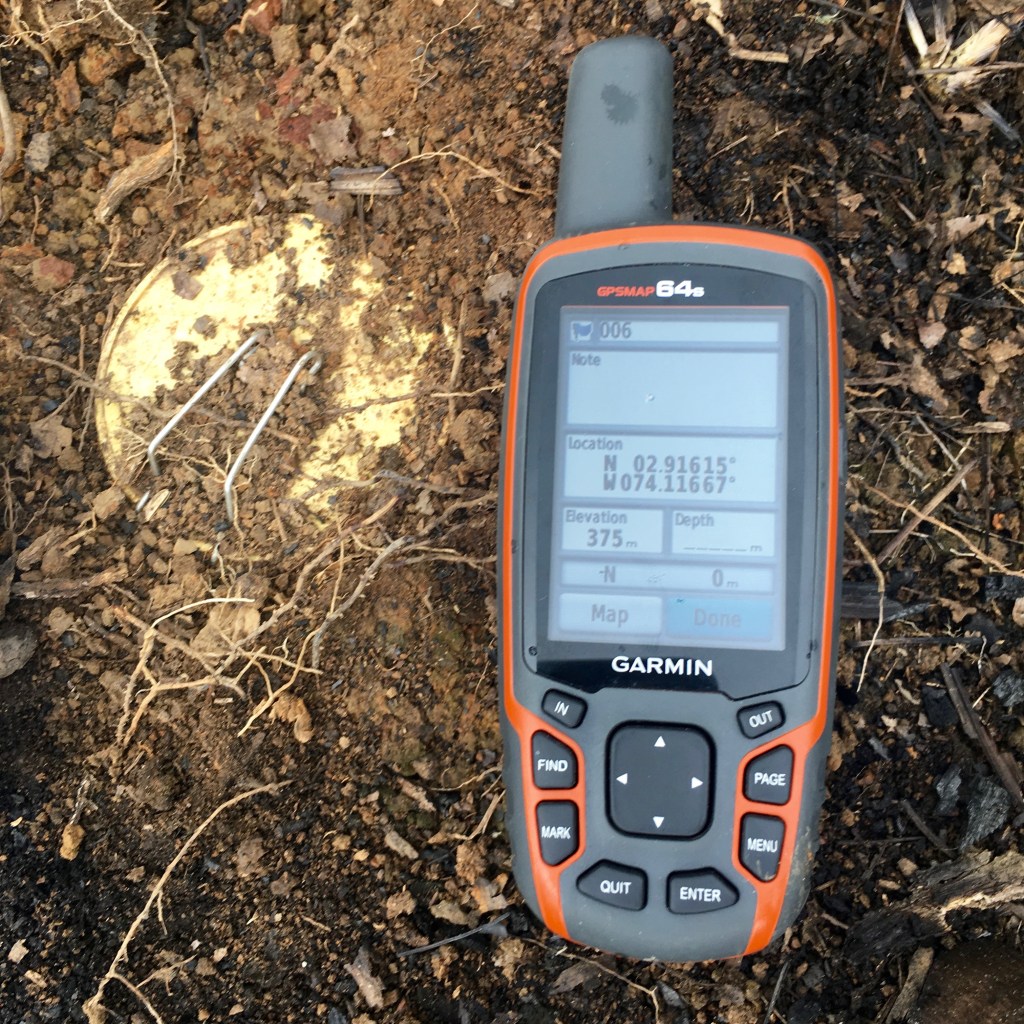
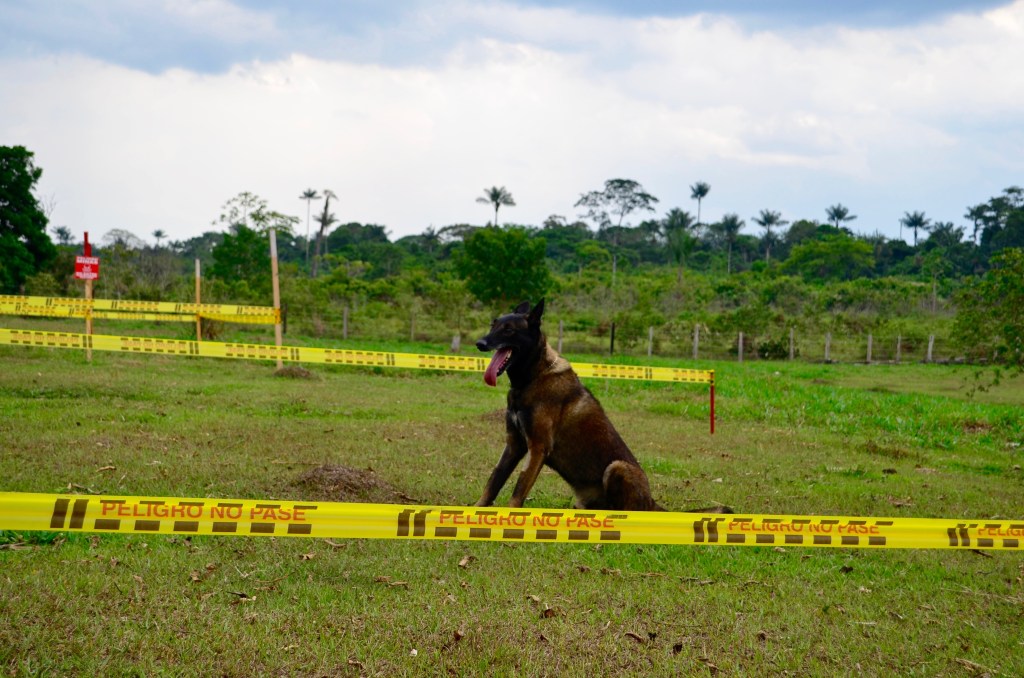
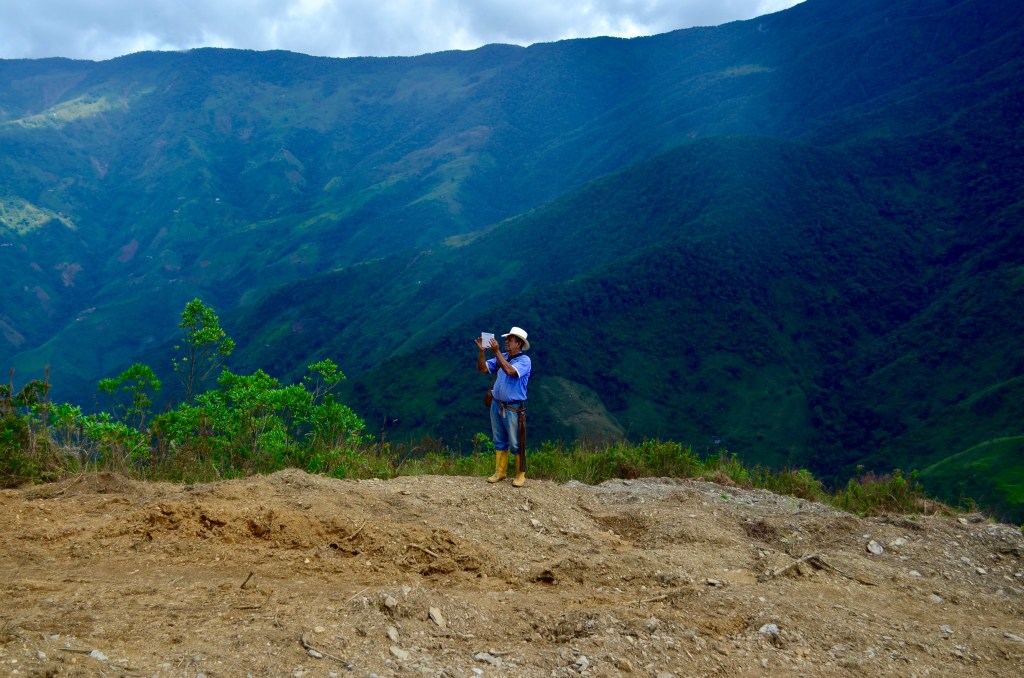
My first book, Fields of Suspicion, draws on over twenty-four months of ethnographic fieldwork, mainly within a “peace laboratory,” to examine how explosive contamination, armed conflict, state neglect, and extractive projects produce environments saturated with anxiety and doubt. These affective landscapes endure as mine clearance and the promise of peace pledge safety and renewal—and, in many ways, precisely because of them. Yet the book is equally attentive to the fragile and unfinished labor of partial recuperation. Despite continuing suspicion, Army deminers, rebel soldiers, government officials, humanitarian workers, and campesinos (small farmers) strove to rebuild trust among themselves and with the territories they inhabit, testing the possibilities of peace.
Click here for more!
Noses Without Borders
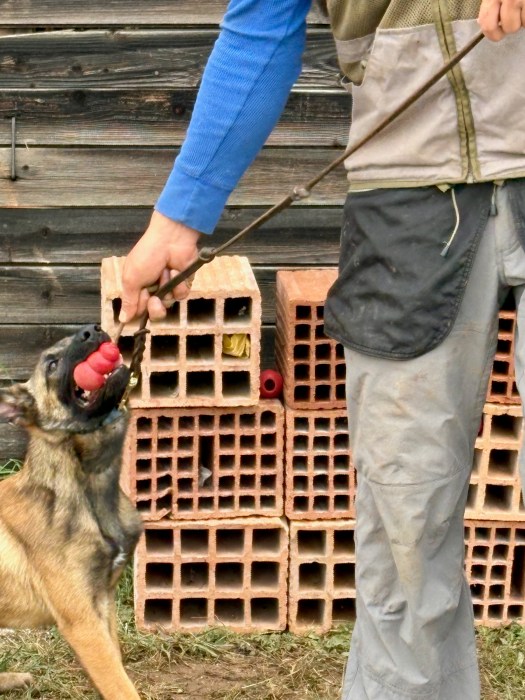
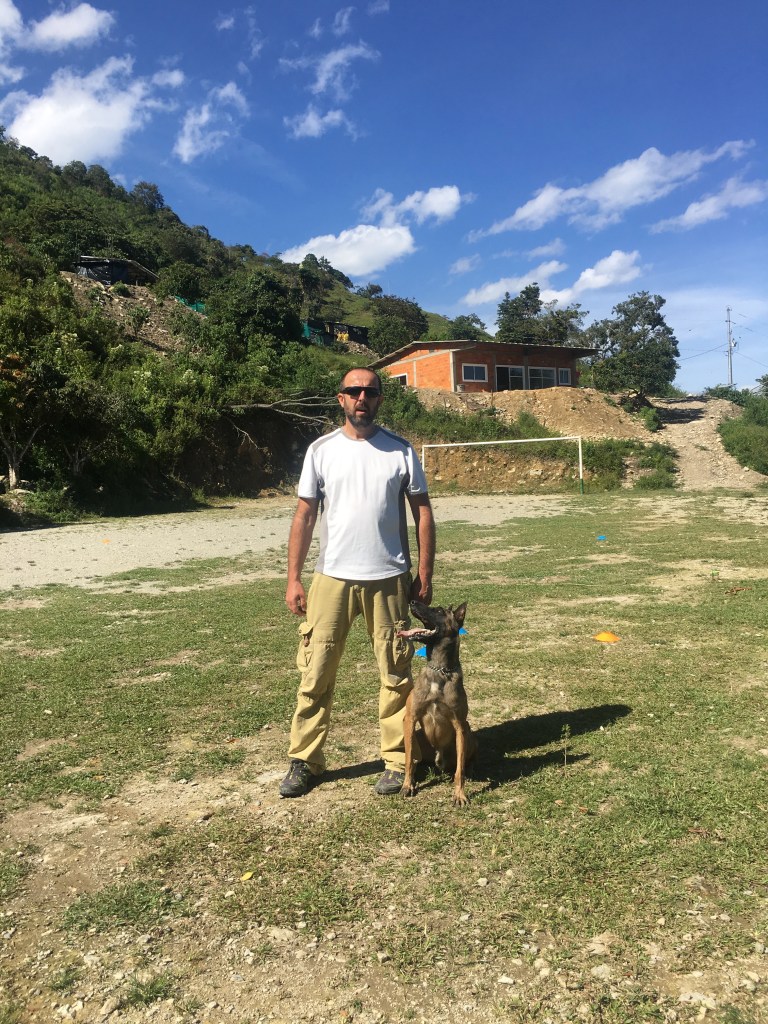
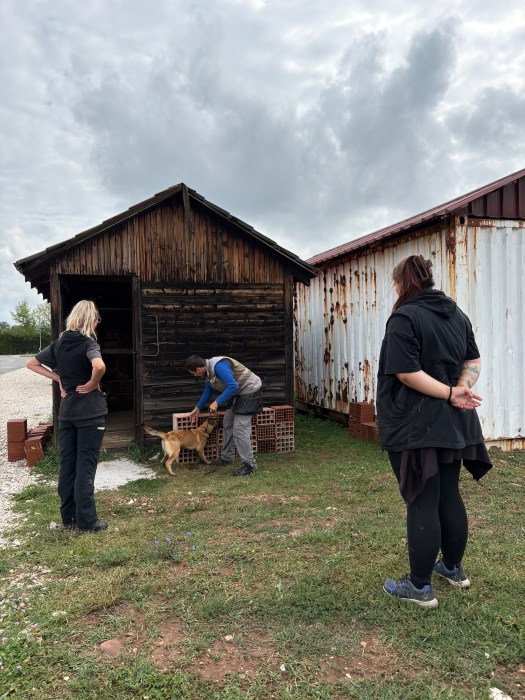
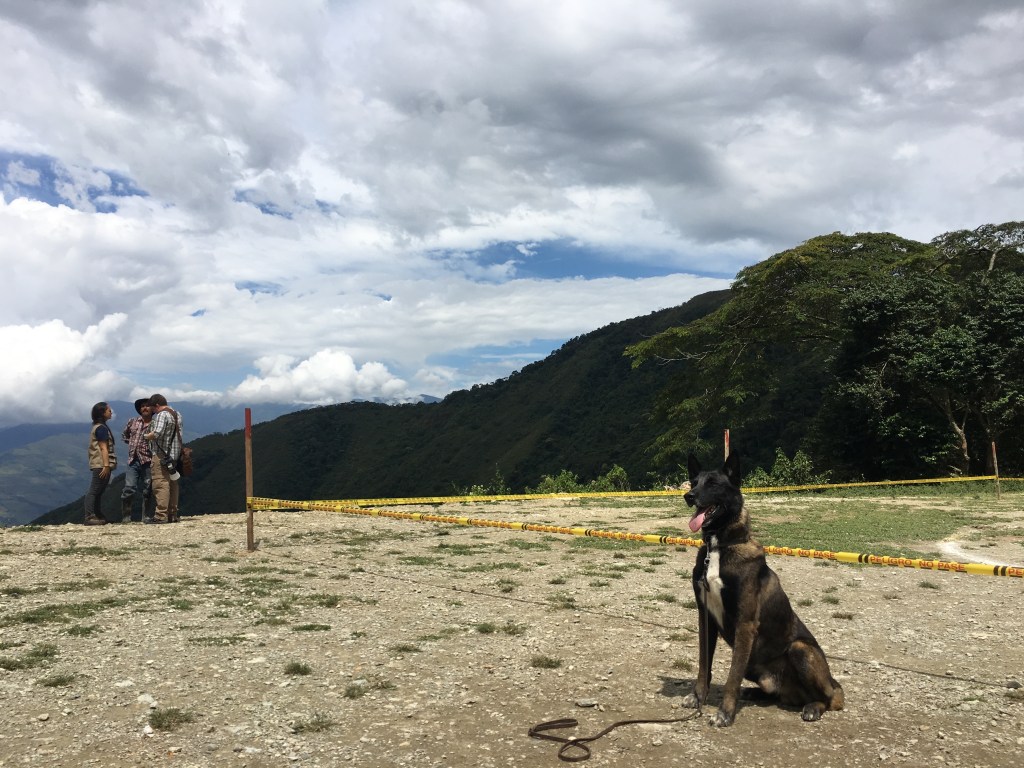
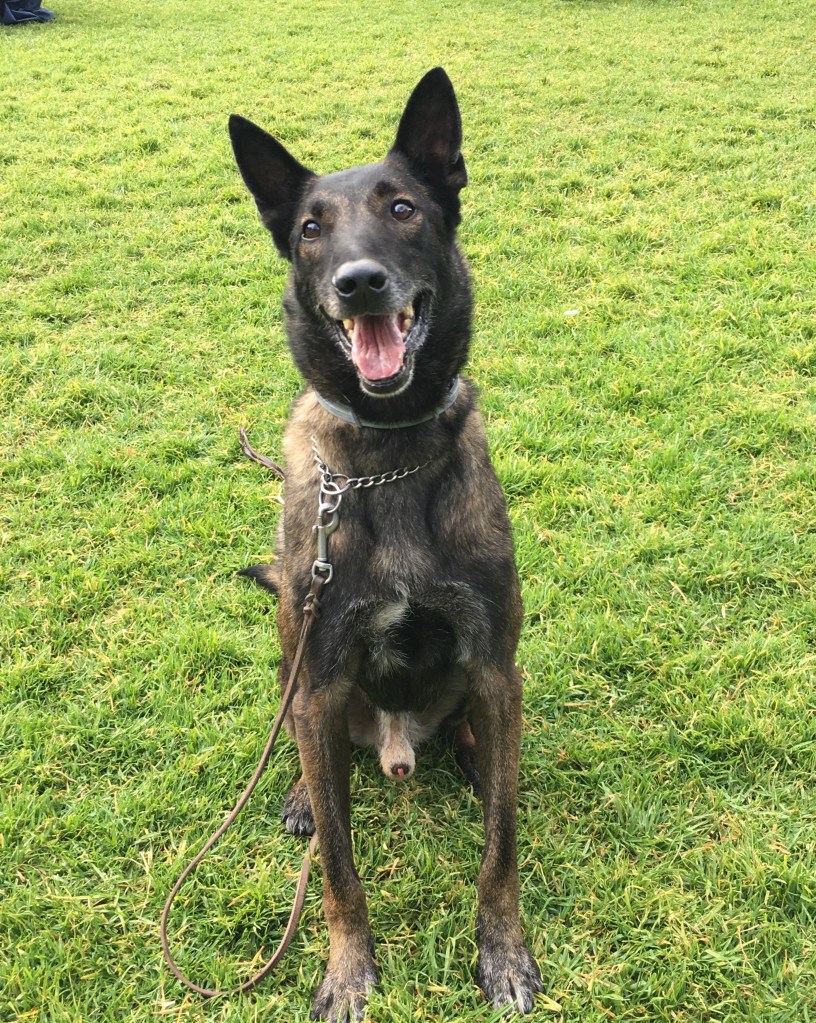
My second book project, tentatively titled “Noses Without Borders: Mine Detection Dogs and the Breeding of a Global Humanitarian World,” grows from my experience with “binomios caninos” (“canine couples”) during the fieldwork of my first book. This project is a multi-sited ethnographic and archival project on the “working life” of the Belgian Shepherd Malinois, the current most valued breed for explosive detection. It traces the biological, technical, and institutional trajectories by which these animals have become both living technologies and political actors within the aid demining world. The project asks what the breeding, training, deployment, and transnational circulation of these dogs reveal about the politics of contemporary humanitarian intervention.
Click here for more!
Co-laboring
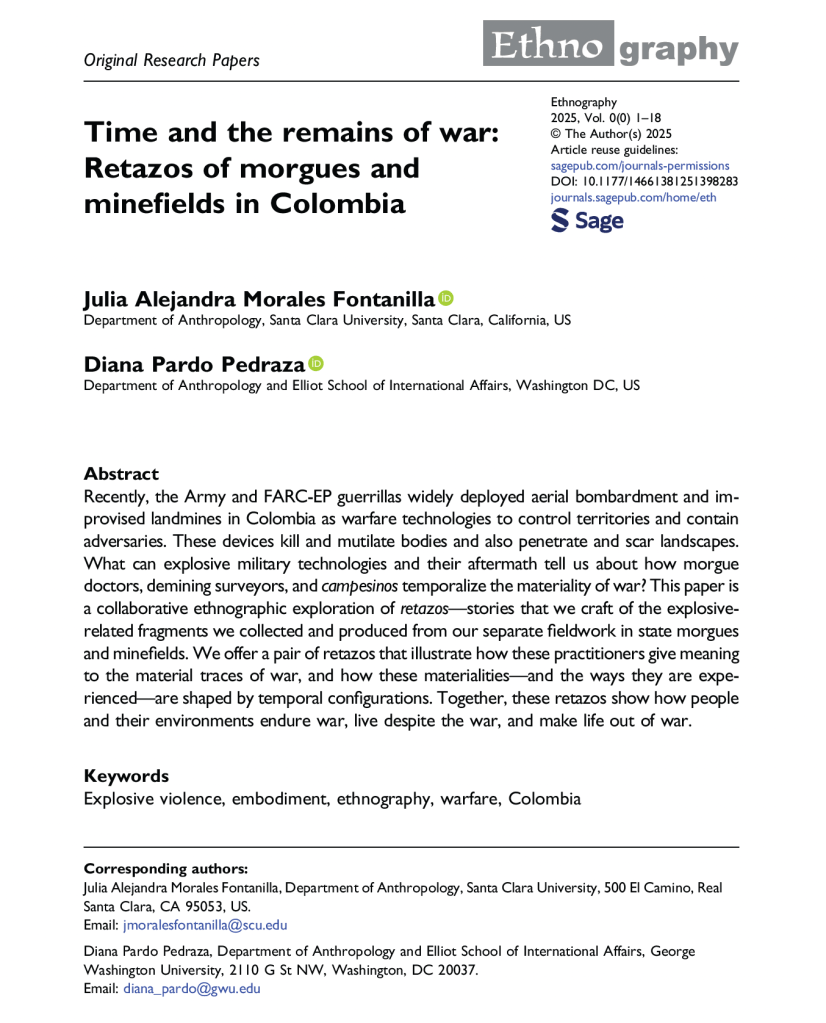
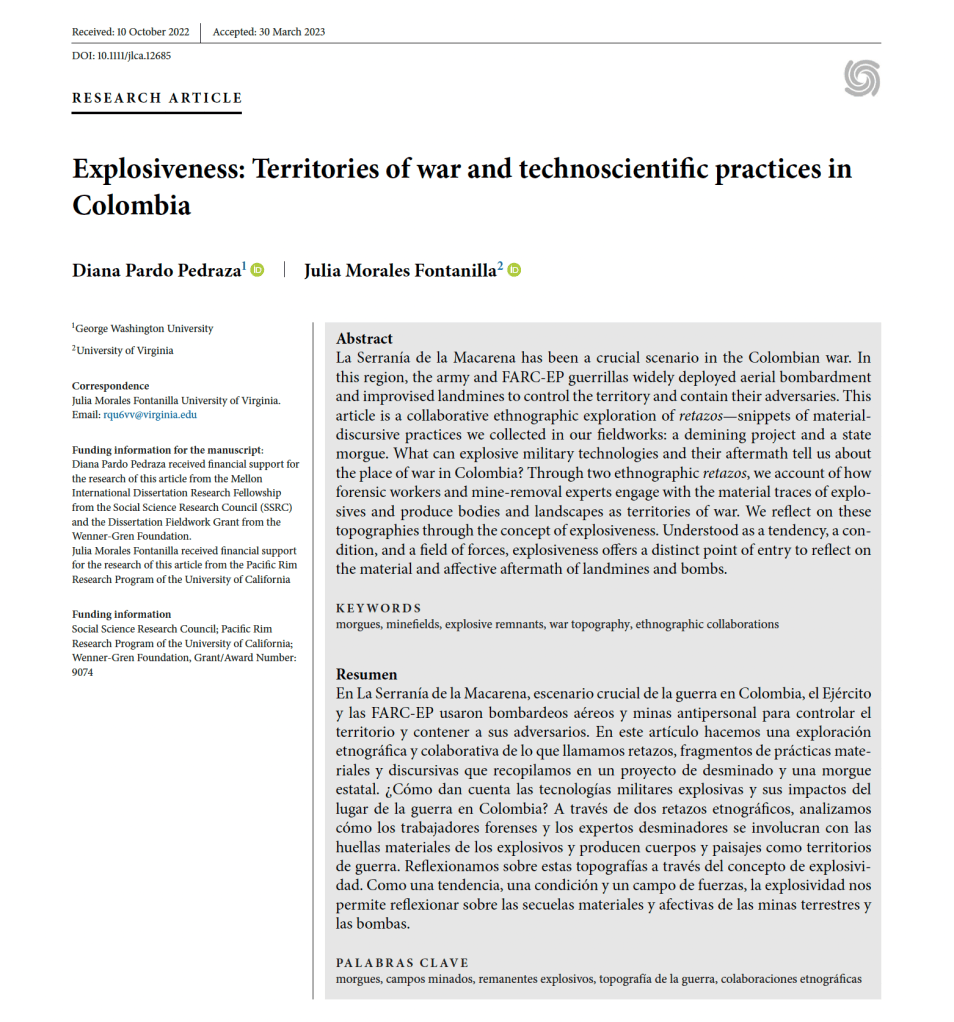
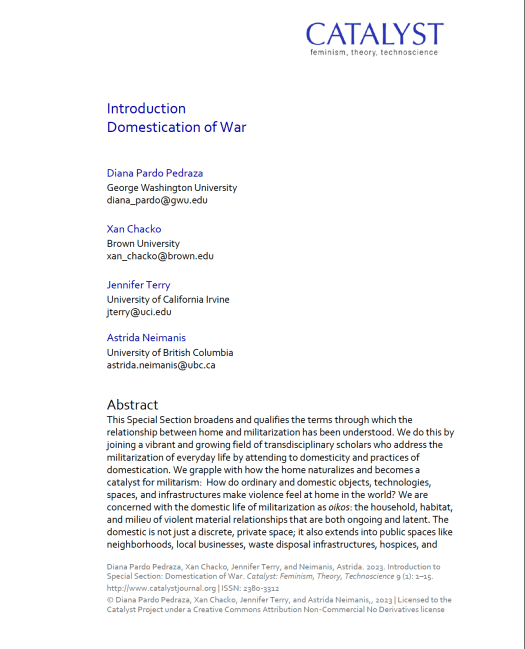
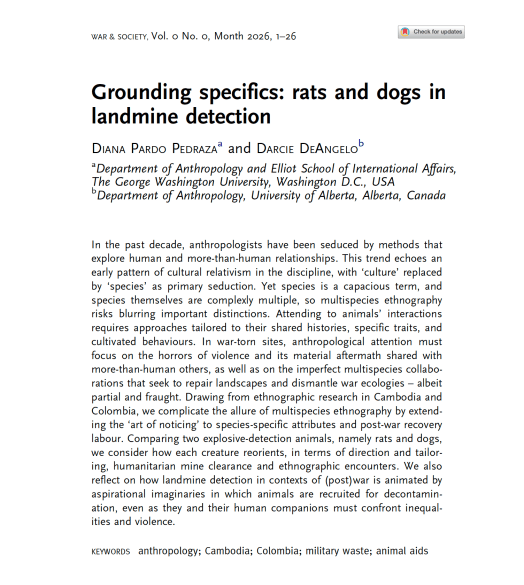
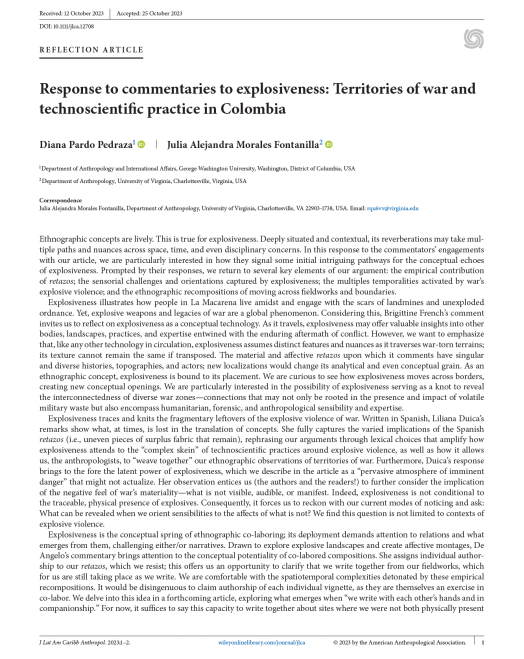
My collaborative work has become a distinct site of intellectual production, expanding my original questions and frameworks around warfare, explosive violence, and multispecies worlds while inviting me to engage in shared methods of thinking and writing. Alongside fellow anthropologists and feminist interdisciplinary scholars, I have been lucky to engage in scholarly conversations on experimental anthropological writing, global biotechnologies of detection, and everyday militarisms.
Some of this work has appeared in major international journals, including The Journal of Latin American and Caribbean Anthropology, Ethnography, Catalyst: Feminism, Theory, and Technoscience, and War & Society.
Click here for links to the articles!
These three projects are connected by my broad interest in the tools and processes through which people intervene and reconfigure violently occupied lives and worlds, and the ways that ethics and politics are folded into and emerge from technoscientific and humanitarian processes. They are also informed by a desire to explore traditional, collaborative, and experimental anthropological writing.
While my scholarship is grounded in the ethnographic method and has thus far focused on Colombia, it is interdisciplinary and transnational in scope. Shaped by my training in cultural studies and feminist theory, as well as my affiliation with an international affairs school, my research engages with global humanitarian projects as they are implemented, contested, and transformed on the ground.
I’m inspired by and hope to contribute with my research to diverse scholarly fields, including anthropological studies of military waste, post-conflict environmental politics, multispecies ethnography, and reparation and reconciliation processes. I’m also in conversation with ethnographic theory, feminist studies of science and technology, and critical humanitarian studies.
My research has been supported by grants from Radcliffe Institute for Advanced Study, Wenner-Gren Foundation, the Social Science Research Council, the University of California President’s Office, the University of California Humanities Research Institute (UCHRI), and the Humanities, Arts, and Cultural Studies Dean’s office at UC Davis.

